
Seasonal timing
Spring and early summer are the planning window. Exact timing shifts, so fresh water reports beat a neat calendar every time.
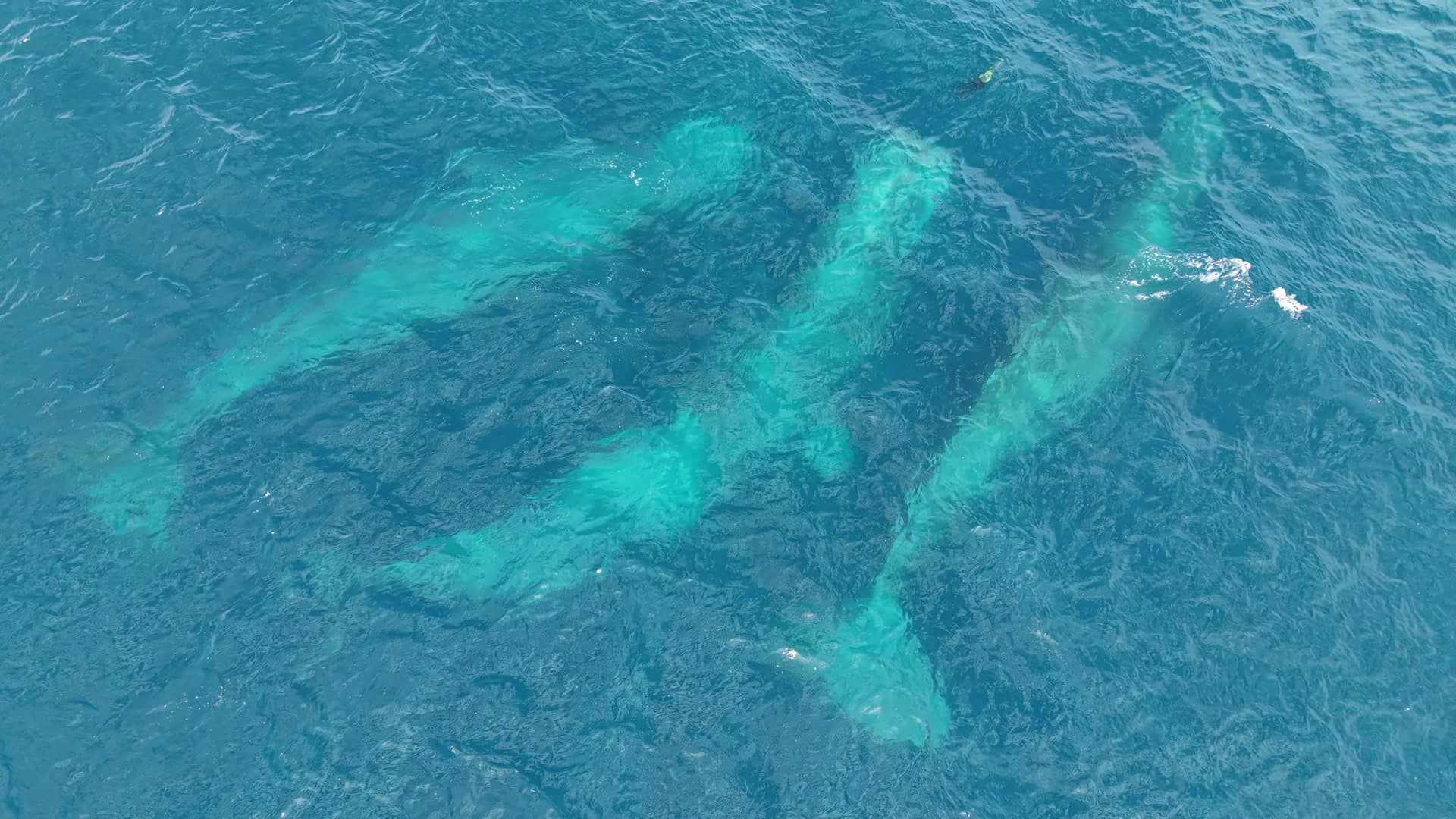
Mobula ray season planning
Mobula days can be quiet for a long time, then suddenly the water shows dark wings. La Ventana is one of the places where that search is worth taking seriously.
A mobula tour is not an ordinary snorkel stop. First the crew has to find the rays, then decide whether the water is clear enough, calm enough, and respectful enough for anyone to enter.
Bajablue leaves from La Ventana and can work Cerralvo Island edges, open-water lines, and protected stops when the weather gives room. Not every shadow in the water deserves a splashy entry. Sometimes the right move is to watch, reset, and keep looking.
Season note
Mobula activity near La Ventana often peaks from spring into early summer, especially April through July. Even then, it is a wild-water search. Bajablue only considers snorkeling when the rays are approachable, the water is workable, guests can follow direction, and the guide is comfortable with the moment.
Spring and early summer can be strong, but the guide still decides from the water in front of the boat.
Check season, search patience, entry behavior, and route flexibility before choosing dates.
Spring and early summer are the planning window. Exact timing shifts, so fresh water reports beat a neat calendar every time.
Rays can show as dark shapes, surface ripples, jumping animals, or deeper schools. A good search keeps scanning instead of rushing people into murky water.
When snorkeling is possible, quiet movement matters. Mobulas are fast, sensitive animals, not props.
La Ventana gives the captain options: island edges, channels, open water, or a protected stop when the wind builds.
Best season
April, May, June, and July usually draw the most mobula attention around La Ventana. Those months can bring bigger schools and more surface life, but the ocean still refuses to behave like a booking calendar.
Wind, water temperature, plankton, moon phase, and bait can all change the day. Recent sightings and what the boat sees decide whether to wait, move, or try another line.
Trip fit
Ocean Safari is the clean one-day choice for a La Ventana mobula search. It gives the crew one full day to look, move, and snorkel only if the moment makes sense.
Blue Expedition gives you 3 water days. Master Seafari gives you 5. More time helps with wind, visibility, and changing ray behavior, but it still does not guarantee mobulas or an in-water encounter.
In-water rules
Mobulas move quickly, change depth without warning, and scatter when people splash or chase. The guide watches direction, speed, grouping, feeding, and whether the rays are tolerating the boat at all.
If the entry is right, guests move calmly and follow the guide. If it is not, the boat watches or moves on.
What to bring
Bring a swimsuit, towel, polarized sunglasses, hat, light windbreaker, reef-safe mineral sunscreen, and your own wetsuit if you get cold easily. Bajablue provides snorkel gear, fins, life jackets, lunch on day trips, and guide support.
Mobula days can include long quiet stretches. Bring patience. It is part of the search, not a sign that the day is failing.
Mobula-trip questions
No. Mobula rays are wild animals. Snorkeling needs the right location, visibility, sea state, ray behavior, guest control, and guide call.
April through July is often the main window near La Ventana, with spring and early summer drawing the most interest. Activity can shift each year.
No, but open-water comfort and the ability to follow guide instructions matter. Life jackets and snorkel gear are provided.
Bajablue tours leave from the La Ventana area in Baja California Sur, with routes chosen around Cerralvo Island, open water, and local conditions.