
Winter
Cooler water can bring whale interest, dolphins, sea lions, and open-water searching. Wind may decide the route.
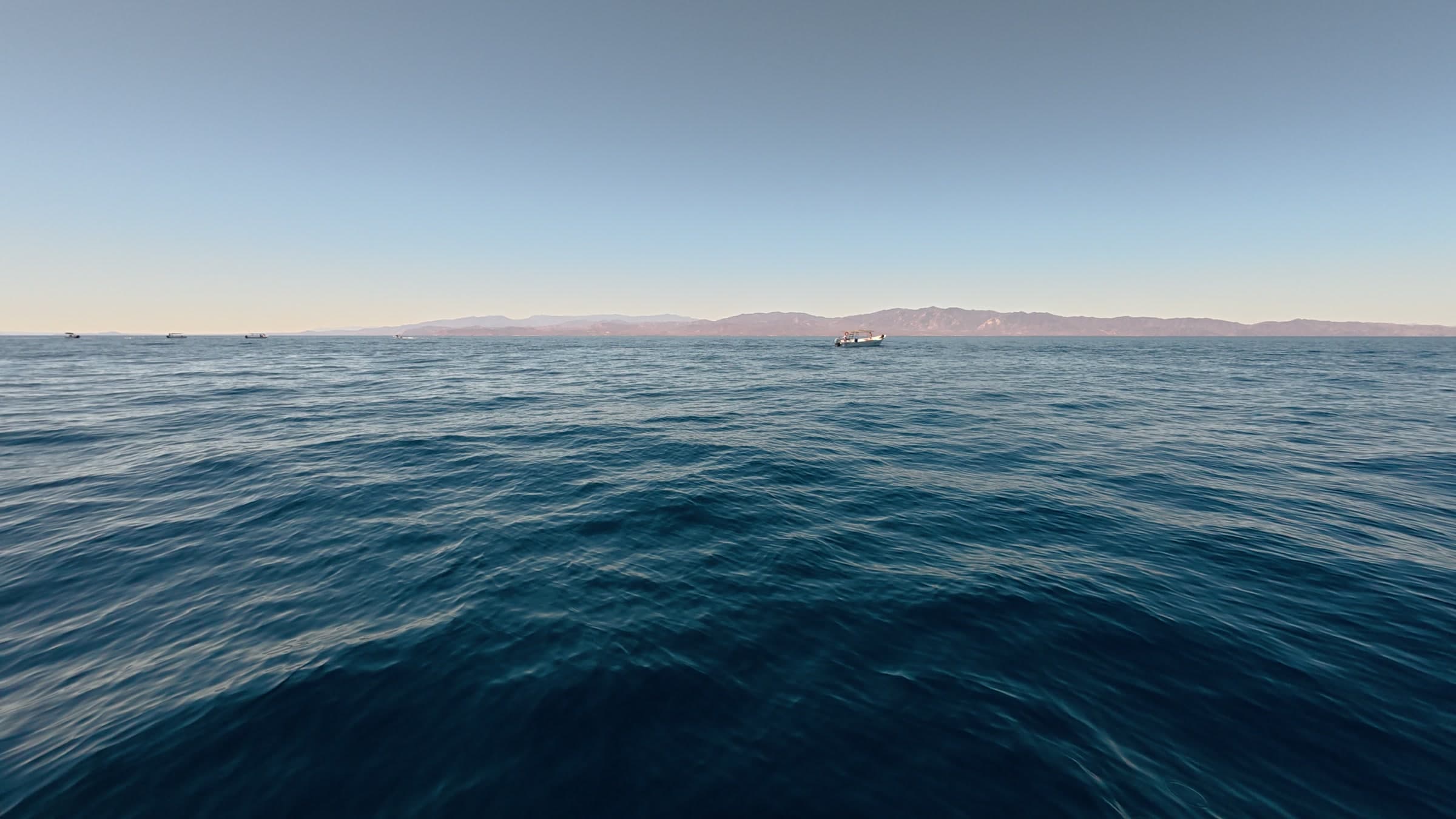
Season-by-season planning
This calendar helps choose better planning windows without predicting a specific boat day.
The right month starts with what you came hoping to see. Mobulas pull people toward spring and early summer. Whales matter more in cooler months. Across the year, dolphins, sea lions, turtles, reef fish, and seabirds can shape the day. Orcas stay rare and opportunistic.
Treat each row as a planning signal, not a schedule. The final route still comes from wind, visibility, recent reports, water clarity, and animal behavior that week.
Use this season view as a planning window, then confirm recent wind and sightings.
Cooler water can bring whale interest, dolphins, sea lions, and open-water searching. Wind may decide the route.
Spring is often a high-interest planning window for mobulas, whale-watching interest, dolphins, and rare orca reports.
Mobula activity can stay strong. Warmer days do not remove the need to read wind, visibility, and current.
Resident wildlife, reef life, dolphins, turtles, and daily ocean conditions carry more of the planning.
Month-by-month
Use the calendar to choose a trip window with realistic expectations. A species listed for a month means it is relevant to planning, not that every boat sees it every day.
More water days can help with rare-species searches, but only if the wider Sea of Cortez ecosystem would still make the trip worthwhile. A single Ocean Safari can still make sense when guests are excited by whatever the ocean is doing that day.
January to March
January, February, and March can bring stronger whale-watching interest in Baja California Sur. Humpbacks, blue whales, fin whales, gray whales, sperm whales, dolphins, sea lions, turtles, and seabirds may all enter the wider search.
Winter wind can be a major planning factor. Bajablue adjusts routes for safety and comfort instead of forcing a rigid itinerary.
April to July
April, May, June, and July are high-interest months for travelers researching mobula ray tours in La Ventana. Large schools may become more relevant, and the wider ecosystem can include dolphins, whales, sea lions, turtles, and rare orca movement.
This is where longer expedition formats earn their keep. Several water days let the crew work across changing wind, reports, visibility, and animal movement.
August to December
Late summer, fall, and early winter can still be meaningful for Sea of Cortez wildlife, especially when the trip is planned around flexible ocean days instead of one headline animal. Local marine activity, sea lions, dolphins, turtles, reef fish, and seabirds can all matter.
By December, attention can begin shifting back toward cooler-season whale watching and open-water searches, depending on the year.
| Month | Planning focus | Planning note |
|---|---|---|
| January | Whale interest, dolphins, sea lions, seabirds | Cooler water and winter wind make route selection important. Whale activity can be relevant when conditions allow. |
| February | Whale interest, dolphins, sea lions, turtles | Useful window for open-water whale-watching planning, with daily conditions deciding how far the boat can search. |
| March | Whale interest, dolphins, early mobula interest | A transition month where whale searches can overlap with early spring wildlife changes. |
| April | Mobula rays, whale interest, dolphins, possible orca reports | High-interest spring window. Longer trips help when wildlife reports are moving quickly. |
| May | Mobula rays, dolphins, whale interest, possible orca reports | A high-interest planning month for travelers focused on mobula ray tours from La Ventana. |
| June | Mobula rays, dolphins, sea lions, turtles | Early summer can keep mobula activity central while warmer water opens up more snorkeling days. |
| July | Mobula rays, dolphins, sea turtles | Still relevant for mobula-focused travel, with heat, visibility, and local conditions shaping each route. |
| August | Dolphins, turtles, reef life, sea lions | Plan for flexible wildlife days rather than one headline species. Resident marine life becomes important. |
| September | Dolphins, turtles, reef life | Warm-season trips depend heavily on weather patterns and water clarity. |
| October | Dolphins, sea lions, turtles, reef life | A flexible month for ocean days as the region begins shifting toward cooler-season patterns. |
| November | Dolphins, sea lions, early whale interest | Early cooler-season signals can begin, but conditions and recent sightings still lead the plan. |
| December | Whale interest, dolphins, sea lions, seabirds | Winter wildlife interest returns, with wind and weather guiding safe route decisions. |
Trip notes
Last reviewed: June 30, 2026
Season questions
There is no single perfect month for every species. April through July is often strong for mobulas, while cooler months and spring can be better for whale watching and open-water searches.
Mobula ray interest is often strongest from April through July, though exact timing changes with water conditions and animal movement.
Whales are generally more relevant in cooler months and spring, but sightings depend on species, route, weather, and recent activity.
Orcas are opportunistic and cannot be pinned to a clean month. Longer expeditions create more search time when reports and conditions line up.