
Water time
More days mean more mornings, more reports, more weather windows, and more chances to cover distance. It improves the search window; it does not put a pod on the schedule.
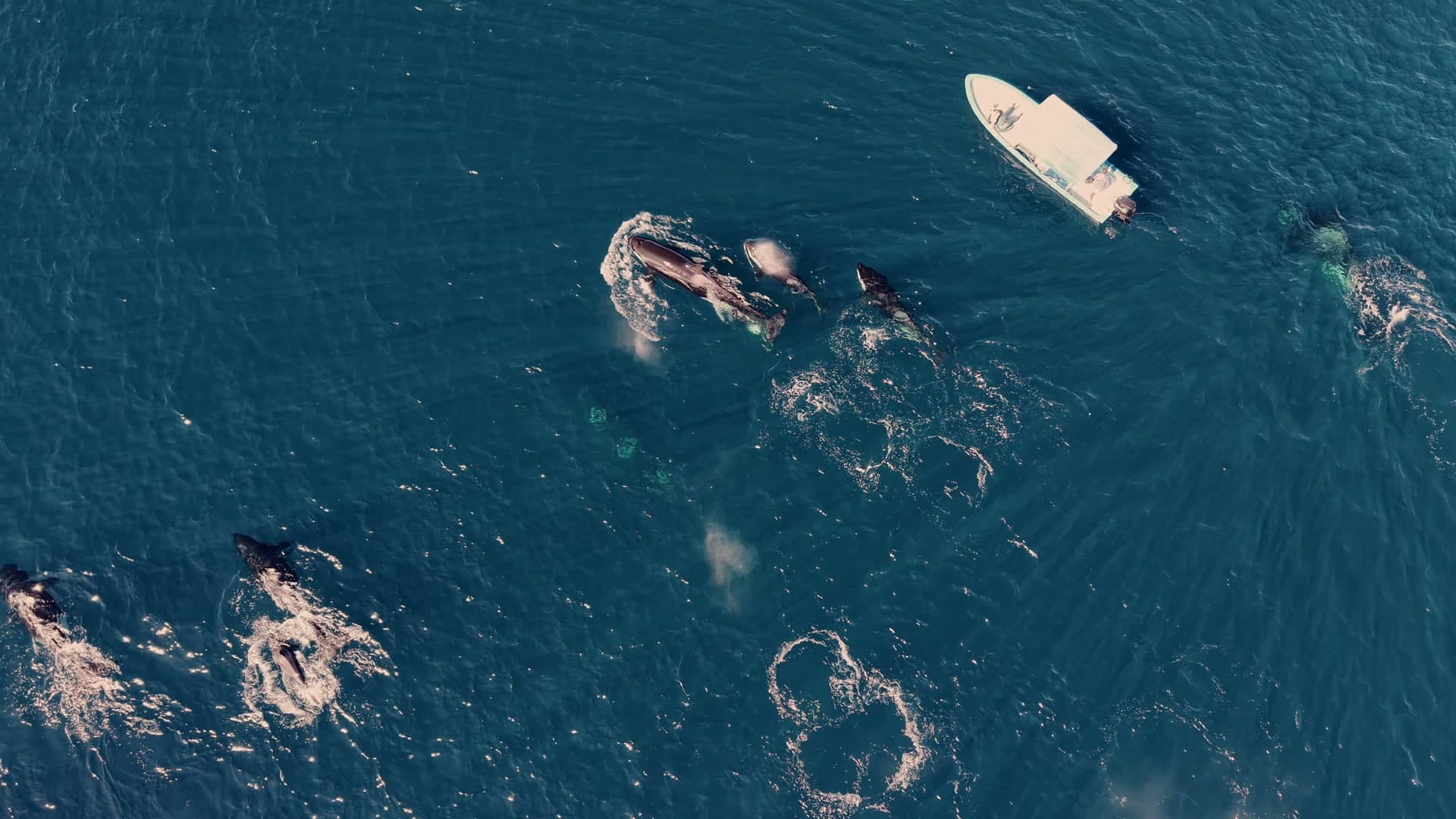
Realistic orca expectations
Orcas can appear near La Ventana, but they are not scheduled and Bajablue cannot quote an honest daily-tour percentage. Plan it this way: would you still want the Sea of Cortez day if no pod appears?
La Ventana can produce unforgettable orca encounters. Most boat days are still not orca days. Pods move across a wide hunting range and respond to prey, water, weather, and each other.
Bajablue is blunt about that. The crew listens for reports, reads birds and bait, and keeps the day worthwhile even when orcas never show.
Rare and report-dependent
The closest honest planning window is spring into early summer, especially the public April-June Master Seafari window, but that is not an orca season in the guaranteed-tour sense. Orcas are rare, mobile, and report-dependent near La Ventana. More water days improve the chance of responding to fresh reports; they do not make orcas likely or guaranteed.
Use recent reports to choose dates; do not turn them into odds.
Use these factors to weigh trip length, recent reports, and fallback wildlife.
More days mean more mornings, more reports, more weather windows, and more chances to cover distance. It improves the search window; it does not put a pod on the schedule.
Orca information goes stale quickly. Time, location, pod direction, prey activity, and sea state decide whether a report is still useful.
Orcas may appear around prey events or pass through quickly. Feeding, traveling, resting, and social behavior change how much space the boat gives.
Travelers who only want orcas feel the risk sharply. Travelers curious about the whole Sea of Cortez usually have the better expedition.
Real odds
La Ventana gives access to Cerralvo Island, open-water routes, and local water reports. Those are search advantages, not odds.
If an operator promises orcas, ask what happens when the animals do not appear. Bajablue searches within the conditions that day, explains the plan clearly, and builds around the wildlife actually present.
Trip length
Travelers cannot control orca movement. They can only choose whether they want one broader wildlife day or a longer expedition with more room for weather, distance, and fresh reports.
That extra time can matter because rare wildlife often comes down to timing. A pod may be reported late, wind may drop after a slow morning, or the useful route may only become obvious once the boat is already out.
Seasonality
Orca activity can be discussed alongside spring and early summer wildlife interest, but a tidy season label can mislead travelers. Reports, prey, wind, route range, and trip length matter more.
Bajablue uses the wildlife calendar as a starting point. The final route comes from the actual day.
Backup wildlife
A no-orca day can still bring mobulas, dolphins, whales, sea lions, turtles, reef fish, and seabirds. Those are not filler animals; they are the water orcas move through.
Guests do best when they arrive with a dream species and wider curiosity. That gives the crew room to make good decisions and gives the traveler a better shot at loving the day.
Trip notes
Last reviewed: June 30, 2026
Orca-odds questions
There is no reliable daily-tour percentage Bajablue can promise. The animals are rare and wide-ranging, so the honest answer is possible but not predictable.
Master Seafari has the most Bajablue water time because it includes 5 water days. More time can help with weather and fresh reports, but it still does not make orcas likely or guaranteed.
Yes, if you are excited by the full Sea of Cortez ecosystem and understand that orcas would be rare luck. If orcas are the only reason you would come, do not book any format expecting certainty.
Depending on season and conditions, possible wildlife includes mobula rays, dolphins, whales, sea lions, sea turtles, seabirds, reef fish, and open-water marine life.